
Things to Do in Sierra Leone in April
April weather, activities, events & insider tips
Low Season · Budget Friendly
April Weather in Sierra Leone
Long-run averages for April in Freetown
88°F (31°C)
High Temp
76°F (24°C)
Low Temp
2.7 inches (69 mm)
Rainfall
77%
Humidity
11
Sunny-Day UV
⚠ Malaria risk is year-round and serious across Sierra Leone. April's increasing warmth and humidity accelerate mosquito breeding. Transmission rates are among the highest globally. Prescription prophylaxis is essential. DEET repellent applied at dusk is essential. Sleeping under insecticide-treated nets is essential. None of these are optional. Seek immediate medical attention for any fever during or after your trip.
⚠ UV exposure at Freetown's latitude is extreme. The peak index reaches 11 on clear April days. Sunburn can develop in well under twenty minutes of unprotected exposure. This happens on the water or the white-sand peninsula beaches where reflection intensifies the effect. Cover up. Reapply sunscreen aggressively. Wear a hat with a brim.
⚠ April's early rains begin softening unpaved laterite roads outside Freetown. Surfaces that were firm in February become slick and rutted after a single heavy shower. This happens on hillside tracks and the roads south of Kent village toward the Banana Islands departure point. Four-wheel drive is advisable for anything beyond the main Freetown-to-peninsula route. Travel times to inland destinations can increase by 30 to 50 percent after rain.
Making the most of April in Sierra Leone? Browse tours and activities in Sierra Leone on GetYourGuide.
Is April Right for You?
Weigh the advantages and considerations before booking
Advantages
- + April marks Sierra Leone's final dependable dry season window. Freetown logs just 2.7 inches (69 mm) of rainfall in April. But that number explodes from May onward. Laterite roads dissolve into rust-coloured mud. Boat crossings to outer islands turn dicey. This is your last chance for interior wildlife trips and southern peninsula beaches. No washed-out bridges. No six-hour detours.
- + Independence Day on April 27 turns Freetown electric. Parades roll down Siaka Stevens Street. Drumming circles take over every open space from PZ to the waterfront. Hillside neighbourhoods thump with music from dawn past midnight. It is the one day to witness Sierra Leonean civic pride raw and unfiltered. The energy spreads. You will feel it. Even without understanding the Krio call-and-response.
- + Sierra Leone attracts a sliver of the visitors that Senegal or Ghana pull in. April sits well outside any peak period. Peninsula beaches south of Freetown, spots like River No. 2 and Tokeh, feel like private property most weekdays. Tacugama Chimpanzee Sanctuary caps groups regardless. In April you might share forest trails with three or four others. Not twenty.
- + The Atlantic off Sierra Leone's coast lies calmest from March through May. The southwest monsoon has not yet whipped up the swells. This matters for the Banana Islands crossing. The boat ride from Kent village runs roughly 2 to 3 hours. In rough seas it becomes miserable. April waters tend flat, almost glassy by morning. Snorkelling visibility around the island reefs hits its annual peak.
Considerations
- − Freetown averages 31°C (88°F) highs with 77% humidity. The heat clings. It does not release at night. Lows of 24°C (76°F) mean the air barely cools after dark. The combination drains you faster than anticipated. Midday hours from 11 AM to 3 PM punish anything beyond sitting under a mango tree with something cold. The salt-damp on your skin never fully dries.
- − April showers lack the monsoon force of June onward. They still set a pattern. Afternoon rain arrives without warning, along peninsula hills. Each downpour usually passes within an hour. That hour can wreck a beach afternoon or a Western Area Peninsula forest hike. Build flexibility into every day. Non-negotiable.
- − Sierra Leone's infrastructure limits shape each day of your trip. Power cuts hit even Freetown routinely. Paved roads degrade to rutted laterite within 30 km (19 miles) of the capital. Medical facilities outside main hospitals stay basic. ATMs function sporadically. None of this defeats prepared travellers. Those needing predictable logistics will find April here more demanding than in West Africa's better-developed corridors.
Short on time in April? See day trips around Sierra Leone on GetYourGuide.
Best Activities in April
Top things to do during your visit
Freetown Peninsula Beach Circuit
The beach string running south from Freetown draws most visitors to Sierra Leone. April may be the best month to experience it. River No. 2 Beach sits in a palm-fringed cove. The sand burns white at noon. The warm Atlantic tempts you to stay in for hours. Tokeh spreads wider and windier, backed by fishing pirogues hauled above the tideline. Sun-bleached wood hulls wear cracking blues and yellows. Bureh, further south, has become West Africa's improbable surf spot. Reef breaks fire even in April's gentler swell. Start before 9 AM. The sand stays cool underfoot. Light strikes the water low, shifting it from blue to green to silver within 50 metres (164 feet). By midday, seek shade. Eat grilled barracuda from beachside charcoal fires, skin blistered and smoky. Wait out the worst heat. Swim again late afternoon. The heat makes the water feel like rescue.
Booking Tip: Hire a vehicle with a local driver for the peninsula circuit. Skip public transport. Poda-podas run unpredictably south of Lumley Beach. Your own wheels let you linger at any cove that hooks you. Book through a licensed Freetown operator at least one week ahead for April. Current tour options appear in the booking section below.
Tacugama Chimpanzee Sanctuary Forest Visit
Tacugama perches in the hills above Freetown, inside Western Area Peninsula forest at roughly 180 metres (590 feet) elevation. The temperature drops just enough that breathing feels easier on the hike in. The sanctuary has rehabilitated orphaned and confiscated chimpanzees since 1995. This is no zoo. You walk forested trails while chimps move through canopy overhead. They crash through branches. They vocalise in hoots that echo off hillsides and seem to carry a kilometre. In April the forest runs lush. The air weighs heavy with wet earth, leaf litter, and the faint sweet rot of fallen fruit. Early-morning mist grips tree trunks, burning off by mid-morning to reveal Freetown's rooftops and harbour far below. Take the first morning slot. The chimps move most then. The heat has not yet clamped down. The entrance walk covers about 1.5 km (just under a mile) of uneven trail. Wear proper shoes with grip. Skip the sandals.
Booking Tip: Tacugama caps visitors per session. Book as far ahead as possible. Two weeks minimum is wise. Morning visits pair cleanly with afternoon peninsula beach time. This builds a full, satisfying day. Current guided options appear in the booking section below.
Banana Islands Overnight Boat Trip
The Banana Islands sit about 3 hours south of Kent village by motorised boat, and they feel like arriving somewhere the twentieth century decided to skip. Two small islands, Dublin and Ricketts, connected by a sandbar at low tide, with maybe two hundred residents between them, no vehicles, no mains electricity, and the clearest water along Sierra Leone's coast. You sleep in basic guesthouses or hammocks strung between palms, eat whatever the fishermen brought in that morning, whole fish grilled over coconut husks with a squeeze of bitter orange, the flesh flaking apart and tasting of smoke and salt, and fall asleep to waves breaking on volcanic rock. Snorkelling off the southern shore in April reveals coral formations and reef fish in visibility that can stretch to 10 metres (33 feet) on a still day, exceptional by West African standards. The crossing itself is the gatekeeper: in April, with the Atlantic calm, the journey is hot but smooth, the boat cutting through water so flat you can see the shadow of the hull on the sandy bottom near shore.
Booking Tip: This is a minimum two-day commitment given the travel time each way. Arrange the boat and island accommodation through a Freetown-based operator at least two to three weeks ahead in April, because limited boats make the run and they fill when conditions are good. Bring everything you need including water purification, a headlamp, and snorkelling gear if you have it. Check the booking section below for current multi-day trip options.
Bunce Island Historical Boat Excursion
Bunce Island sits in the Sierra Leone River about 30 km (19 miles) upstream from Freetown, and visiting it is one of the most sobering travel experiences in West Africa. This was one of the largest British slave-trading forts on the coast, operational from the 1670s through the 1840s, and its ruins still stand surrounded by mangroves, crumbling walls overgrown with strangler fig roots, the remains of the slave yard visible as a cleared rectangle of packed earth. There is no visitor centre, no gift shop, no audio guide. You arrive by boat, walk the island with a local guide whose knowledge is oral history passed between generations, and stand in the same space where tens of thousands of enslaved people were held before being shipped to the rice plantations of South Carolina and Georgia. The connection between Bunce Island and the Gullah Geechee communities of the American South is direct and documented. In April the river is low enough that the island's full outline is visible, and the mangrove channels en route are narrow and green, herons lifting off as the boat passes. The smell of river mud and salt mixes with the fishy tang of exposed mangrove roots baking in the heat.
Booking Tip: Only a handful of licensed operators run the Bunce Island trip, and it requires coordination with local guides on the island. Book at least two weeks ahead. The boat ride takes roughly an hour each way from Freetown. Bring water, sun protection, and closed shoes for walking uneven ground. See the booking section below for available historical tour options.
Western Area Peninsula Rainforest Hiking
The Western Area Peninsula National Park is one of the last fragments of primary tropical rainforest in West Africa, draped across the mountainous spine behind Freetown and reaching peaks around 880 metres (2,887 feet). The trails range from gentle lower-elevation walks to proper scrambles through buttress-rooted forest where the canopy closes so completely that the temperature drops several degrees and the light filters through in shafts. April's moderate rains keep the forest green without making the trails dangerously slippery, and the birdlife is exceptional, species like the white-necked picathartes nest in rocky overhangs along the upper ridges. You hear the forest before you see much of it: the drill of woodpeckers, the crash of colobus monkeys in the branches, the steady drip of condensation from leaf to leaf. The air smells loamy, rich with damp earth and decomposing wood. Leicester Peak, the most accessible summit viewpoint, gives panoramic views over Freetown's harbour and the river estuary shimmering in the haze. Start any hike before 7 AM. By mid-morning the heat rises even under canopy, and afternoon showers can make steep descents treacherous.
Booking Tip: Hire a local guide through one of the community forestry associations that operate around the park, which helps fund conservation directly. Trails are unmarked in most areas, and going without a guide is inadvisable for both navigation and safety. Book at least a week ahead and confirm trail conditions, as some routes close after heavy rain. Check the booking section below for guided hiking options.
Freetown Street Food and Market Walking Tour
Freetown's food culture operates on the street, and the best way to understand Sierra Leone's kitchen is on foot with an empty stomach. Start in the morning near the Big Market area along the waterfront, where women sell heaped bowls of cassava leaf plasas, the de facto national dish, slow-cooked cassava leaves pounded smooth with palm oil, smoked fish, and enough scotch bonnet pepper to make your lips tingle for an hour afterward, served over rice in a plastic bowl you eat with your right hand. The smell of palm oil and woodsmoke hangs over every block. Move uphill for akara, black-eyed pea fritters fried golden in oil so hot the batter puffs into crisp shells with soft, steaming centres. Waterfront grills cook whole snapper and barracuda over charcoal, the fish skin blistering and curling, served with hot pepper sauce and fried plantain that crunches at the edges. For something to wash it down, find a poyo seller dispensing fresh palm wine tapped that morning, a cloudy, sweet liquid with a gentle fizz that turns sour by evening. April's heavy heat makes cold poyo feel like the most logical drink on Earth.
Booking Tip: Book a local food-focused walking guide at least a few days in advance if Freetown's markets feel daunting alone. The best guides are Sierra Leonean. They translate not just Krio but the context of what you eat and why it matters. Morning tours beat afternoon ones in April. Heat and possible rain make late-day walking less pleasant. See the booking section below for current walking tour options.
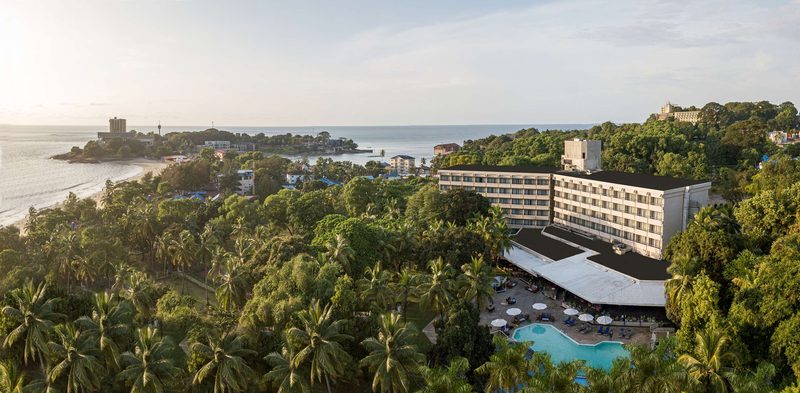
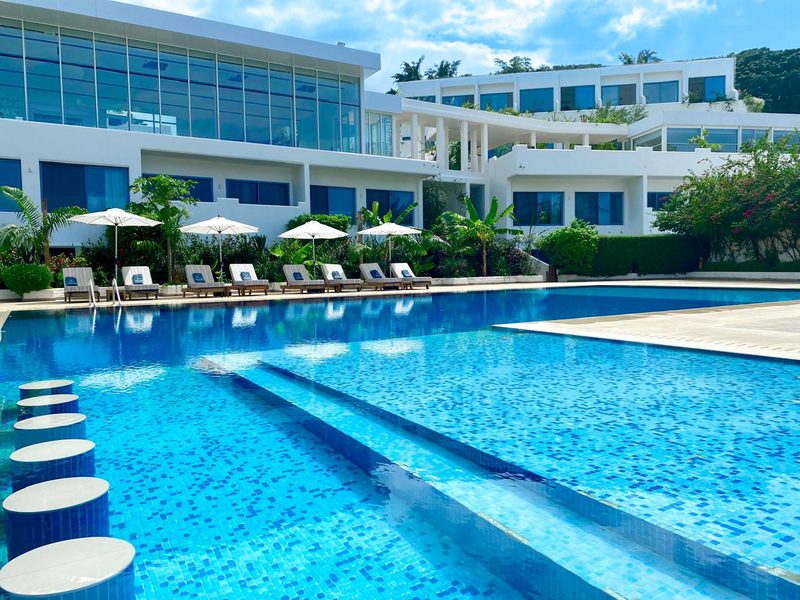
Where to Stay in Sierra Leone in April
Hand-picked hotels across price tiers for April travellers.
Public Holidays in April
Dates that affect opening hours, transport and crowds
Independence Day
Observed nationwide as a public holiday.
Good Friday
Observed nationwide as a public holiday.
Easter Monday
Observed nationwide as a public holiday.
Independence Day
Observed nationwide as a public holiday.
Packing Checklist
Bookmark this page — your progress is saved between visits
Need the full list with shopping links?
Climate-specific gear, brand recommendations, and what to leave at home.
View Sierra Leone Packing List →Essential Tips
Insider knowledge and common pitfalls to avoid
Insider Knowledge
Most visitors arriving at Lungi International Airport are blindsided by the estuary crossing to Freetown. The airport sits on the opposite bank of the Sierra Leone River. Reaching the city means either a water taxi across the harbour, roughly 45 minutes depending on conditions, or a punishing road journey of 4 to 5 hours around the estuary. Arrange your crossing before you land. Water taxis are faster and more reliable. They stop running after dark, so a late-arriving flight means you are stuck with the road option or a private charter. Sort your visa documentation well in advance too. Sierra Leone has streamlined entry requirements in recent years. But processing at Lungi can be slow. Having everything confirmed before departure removes one variable from an already complicated arrival.
Load up mobile money at the airport immediately. Orange Money works across Sierra Leone in places where no bank, ATM, or card terminal exists. In April, when you might be on the Banana Islands or in a small peninsula fishing village, it is often the only way to pay for food, transport, and accommodation. The signup process takes about ten minutes at the airport kiosk. Cash in Leones is still essential for market food and smaller purchases. Mobile money covers the gaps that would otherwise leave you stranded.
Sierra Leonean meals are communal. This catches Western visitors off guard. When a Sierra Leonean invites you to eat, the meal arrives in a shared bowl. Everyone eats with their right hand. Declining an invitation is considered rude. You do not need to eat a lot. But you must eat something. Using your right hand matters. The plasas, groundnut soup, and jollof rice you are offered in someone's home will likely be the best food you eat in the country. It will be more flavourful and more honest than anything in a restaurant. It will certainly be more memorable.
Most travellers underestimate Freetown itself. They try to blow through it in a single night on their way to the beaches. Give the city at least two or three full days. The hillside neighbourhoods of Hill Station and Wilberforce have colonial-era architecture crumbling photogenically under bougainvillea. The markets are sensory overload in the best way. The waterfront food scene at dusk is reason enough to linger. Watch the smoke from a dozen charcoal grills drifting across the road. Listen to the call of vendors. See the orange light off the harbour. Freetown is not a transit point. It is the destination.
Avoid These Mistakes
Arriving without confirmed transport from Lungi Airport to Freetown is a mistake. The estuary crossing is the single most common source of traveller stress in Sierra Leone. If your flight lands after the last water taxi, you face either an expensive private boat arrangement or the long road around. Book your crossing before your flight. Confirm it the day before. Have a backup plan for delays.
Skipping malaria prophylaxis is dangerous. Stopping it early because you feel fine is equally risky. There are multiple prophylaxis options now with different side-effect profiles. Consult a travel medicine specialist before departure. Sierra Leone's malaria transmission is intense and year-round. April's warming, humid conditions accelerate mosquito breeding. This is the one health precaution where the risk of skipping it is potentially fatal.
Trying to cover too much of Sierra Leone in a single trip is a common error. Distances that look manageable on a map take far longer on the ground. The road from Freetown to Tiwai Island Wildlife Sanctuary in the south, roughly 300 km (186 miles), can take 8 to 10 hours depending on conditions and vehicle breakdowns. In April, as the early rains start softening laterite surfaces, add extra time. Focus on either the Freetown Peninsula and its beaches, or the interior wildlife sites. Attempting both in under two weeks means you will spend most of your trip in a vehicle on bad roads.
Ready to plan your trip to Sierra Leone?
Now that you've got the research covered, here's where to go next.
Explore More Activities in Sierra Leone
Didn't see anything interesting yet?
Browse Viator's full catalog of tours, day trips, food experiences, and private guides in Sierra Leone.
See All Sierra Leone Tours on Viator