
Things to Do in Sierra Leone in August
August weather, activities, events & insider tips
Low Season · Budget Friendly
August Weather in Sierra Leone
Long-run averages for August in Freetown
83°F (28°C)
High Temp
73°F (23°C)
Low Temp
42.4 inches (1077 mm)
Rainfall
90%
Humidity
12
Sunny-Day UV
⚠ Extreme humidity at 90% creates a real heat stress risk even at moderate air temperatures of 28°C (83°F). The combination feels substantially hotter than the thermometer reads because sweat cannot evaporate efficiently. Limit strenuous outdoor activity to mornings before 10 AM and late afternoons after 4 PM, carry oral rehydration salts at all times, and watch for early signs of heat exhaustion in yourself and your companions: dizziness, nausea, confusion, or skin that stops sweating.
⚠ Sierra Leone is a year-round high-transmission malaria zone, with mosquito breeding concentrated during the humid months. Begin prescribed prophylaxis before arrival on your doctor's schedule. Apply DEET-based repellent to all exposed skin from dusk through dawn. Sleep under a treated bed net every single night without exception. Medical facilities capable of managing severe malaria are limited to Freetown.
⚠ Ocean currents along the Freetown Peninsula beaches run stronger and less predictably during this season than in the calmer dry months. Swim only at beaches where local fishermen are entering the water, which is the best indicator of safe conditions. Avoid isolated coves where rip currents go unwitnessed. Never swim alone or after drinking palm wine, no matter how calm the surface looks.
Making the most of August in Sierra Leone? Browse tours and activities in Sierra Leone on GetYourGuide.
Is August Right for You?
Weigh the advantages and considerations before booking
Advantages
- + Average highs of 28°C (83°F) in August are the lowest of the year, level with July; April averages 31°C (88°F). Source: Freetown 1961-1990 averages, Wikipedia climate table.
Considerations
- − August is the second-wettest month in Freetown: 1,077 mm (42.4 in) of rain on average, 24% of the year's 4,432 mm; only July is wetter, at 1,191 mm. Source: Freetown 1961-1990 averages, Wikipedia climate table.
- − Every month from May to October averages more than 200 mm, so there is no dry break around August.
- − Average relative humidity is 90%, the highest of the year, level with July and September. Source: Open-Meteo ERA5 reanalysis, 2024-2025.
- − The driest months are January and February, each under 10 mm of rain on average.
Short on time in August? See day trips around Sierra Leone on GetYourGuide.
Best Activities in August
Top things to do during your visit
Tacugama Chimpanzee Sanctuary Wildlife Visits
Tacugama sits at roughly 180 m (590 ft) elevation in the Western Area Peninsula Forest, a 30-minute drive uphill from central Freetown through canopy so dense the temperature drops a couple of degrees beneath the trees. August's low visitor numbers mean you're likely watching the sanctuary's rescued chimpanzees with a guide nearly to yourself. The chimps are vocal and active in the morning humidity, crashing through branches and calling across enclosures while the forest around you hums with insects and the metallic ping of hornbill calls. The overnight eco-lodge experience puts you inside the forest after dark, when the soundscape shifts entirely: tree frogs in overlapping rhythms, fruit bats wheeling overhead, and the distant boom of chimp calls settling for the night. Arrive before 9 AM when both the animals and the humidity are most manageable. The sanctuary also runs community conservation programs, so your visit directly supports the protection of Sierra Leone's remaining wild chimpanzee population.
Booking Tip: Book the sanctuary visit directly or through licensed Freetown-based operators at least two weeks ahead, even in low season. The overnight eco-lodge fills before general admission, so arrange that further out. See current tour options in the booking section below. Reserve early.
Bunce Island Historical Excursions
The boat ride to Bunce Island, roughly 30 km (19 miles) up the Sierra Leone River from Freetown, is half the experience. You pass through mangrove channels thick with herons and kingfishers, the air carrying the mineral tang of tidal mud and rotting vegetation, before the stone ruins of a British slave-trading fortress emerge from the overgrowth on a low island. The fortress operated from the 1670s to the 1840s, and in August the ruins are overgrown to the point where fig trees push through cannon emplacements and walls sag under the weight of creeping vines. That gives the place a gravity no manicured heritage site could manage. You will almost certainly be the only visitors. The history here connects directly to the Gullah Geechee communities of South Carolina and Georgia, and a knowledgeable guide makes that connection visceral rather than academic, naming the specific holding pens, the auction sites, the departure point. Allow a full half-day including river crossings each way.
Booking Tip: Arrange through cultural tour operators in Freetown at least a week ahead. The boat journey runs roughly 45 minutes each direction and conditions on the river can shift, so build in a flexible day. See current options in the booking section below. Stay flexible.
Freetown Peninsula Beach Days
The beaches along the Freetown Peninsula from Lakka south through Hamilton, Sussex, River Number Two, Tokeh, and down to Bureh rank as Sierra Leone's best-known attraction. August empties them out. River Number Two Beach stands out: a curving bay framed by forested headlands with a freshwater river mouth at one end. Expect white sand, warm water, and in August, possibly no one else on the entire stretch. You can hear the surf and the palm fronds. Nothing else. Bureh Beach, further south, draws the small but committed community of surfers who rank its breaks among West Africa's best. The trade-off in August is stronger ocean currents along the whole coastline. Swim only where you see local fishermen entering the water. Steer clear of isolated coves where rip currents go unwitnessed. The drive from Freetown to the further beaches takes 90 minutes to two hours on roads that test your patience. They reward you with ridge-line views of the Atlantic.
Booking Tip: Hire a local driver for the day through your guesthouse. Skip the shared poda podas. They don't run reliably to the more remote beaches. Bring your own water and food for the further stretches south of Tokeh. Check current organized beach tour options in the booking section below.
Freetown Food and Market Walking Tours
Freetown's food is West Africa's most underreported story. August is when you eat it most authentically. At the Big Market on Wallace Johnson Street, the air hangs thick with the oily, peppery scent of red palm oil and dried bonga fish stacked in pyramids on wooden tables. Charcoal smoke drifts from cookeries along PZ and Siaka Stevens Street. There, cassava leaf stew, Sierra Leone's defining dish, simmers in blackened pots: pounded smooth and cooked down with palm oil, smoked fish, and enough scotch bonnet pepper to make your forehead prickle with sweat. The groundnut soup, thick and rust-colored, poured over a mound of white rice with a slab of fried barracuda balanced on top, is the sort of meal you'll think about for months afterward. August mornings are the window. The stallholders are setting up, the coals are catching, and the humidity hasn't yet hit its midday wall. Taste palm wine fresh from the tapper early in the day when it's still milky, slightly fizzy, with a clean sourness that sharpens as it ferments through the afternoon.
Booking Tip: Walking food tours work best before 10 AM. The markets and the temperature are at their most approachable then. Licensed local guides who know the food stalls and their histories can be arranged through Freetown guesthouses a few days ahead. See current tour options in the booking section below.
Banana Islands Overnight Expedition
The Banana Islands sit about three hours by motorboat from Kent village at the southern tip of the Freetown Peninsula. Reaching them feels like crossing into a different century. Dublin Island, the smaller of the two, has some of the best snorkeling in Sierra Leone: warm water over coral formations that haven't been degraded by heavy boat traffic or mass tourism. The reef fish are close enough to touch. Ricketts Island, the larger one, holds a small village, a weathered colonial-era church, and walking trails through coconut palms where the only sounds are surf and roosters. August seas can run rougher than in the dry months. The crossing requires an experienced captain who reads the swells, not just a boat. This is a proper expedition. Not a resort day trip. Bring a headlamp, accept basic accommodation in village guesthouses with bucket showers, and prepare for the most complete digital disconnect you've had in years. The stars from the beach at night, with virtually no light pollution, are extraordinary.
Booking Tip: Arrange through Freetown or Kent-based operators at least 10 to 14 days ahead. The crossing is weather-dependent and may be postponed on short notice. Build two potential days into your itinerary. Plan for at least one overnight on the islands. See the booking section below for current operator options.
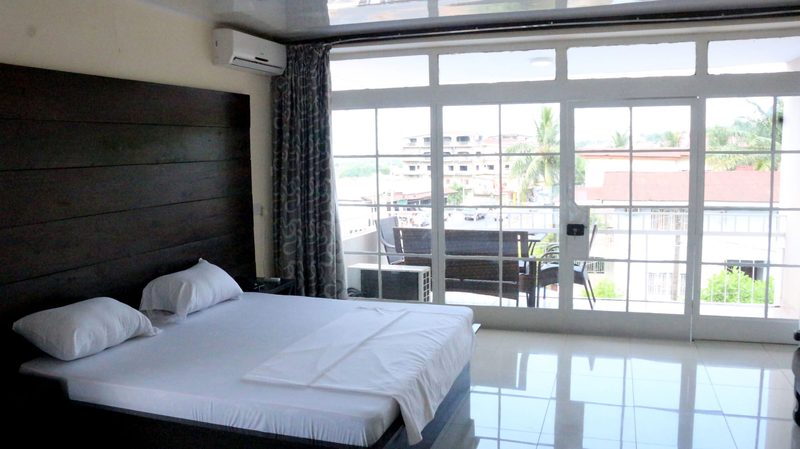
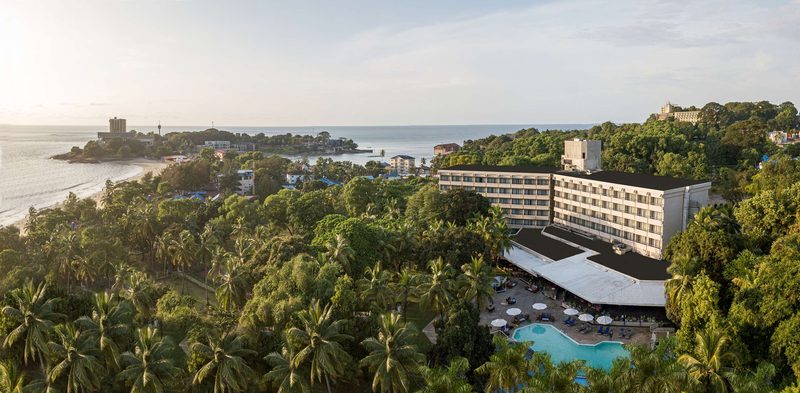
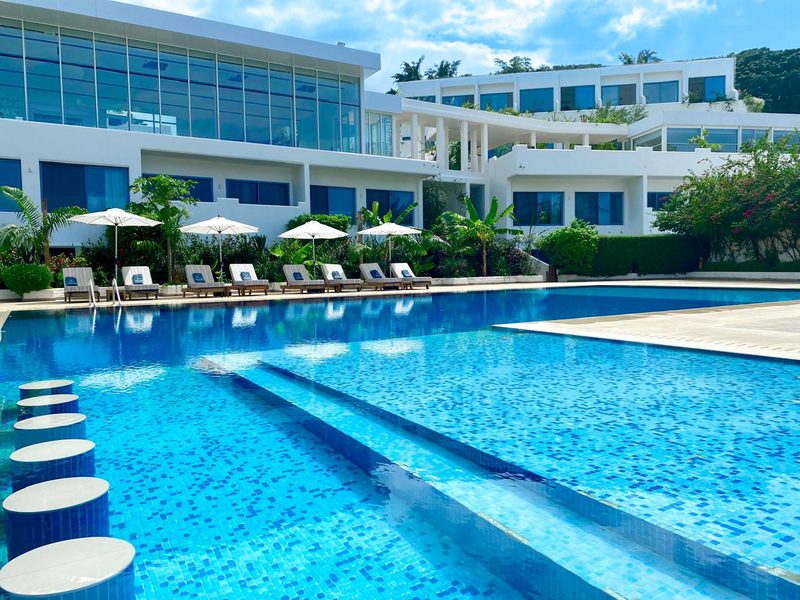
Where to Stay in Sierra Leone in August
Hand-picked hotels across price tiers for August travellers.
Packing Checklist
Bookmark this page — your progress is saved between visits
Need the full list with shopping links?
Climate-specific gear, brand recommendations, and what to leave at home.
View Sierra Leone Packing List →Essential Tips
Insider knowledge and common pitfalls to avoid
Insider Knowledge
Sierra Leone is considerably safer than its civil-war-era reputation suggests, and that reputation is more than two decades out of date. Freetown has standard urban petty crime: keep valuables out of sight, avoid unlit areas after dark, and don't flash electronics in crowded markets. Violent crime against visitors is rare, though, and the countryside is overwhelmingly welcoming. Your real risks in August are malaria, road conditions, and the distance between you and competent medical care once you leave Freetown.
Yellow fever vaccination is a hard entry requirement with no exceptions. Without a valid certificate, you will be vaccinated at Lungi International Airport on arrival or refused entry entirely. Carry the original yellow card in your hand luggage, not a photocopy. Most nationalities also require a visa arranged before arrival, so start that application at least six weeks out and confirm processing times with your nearest Sierra Leonean embassy.
The Leone was redenominated in 2022, removing three zeros. But old banknotes with the higher face values still circulate alongside new ones. This causes daily confusion at market stalls and taxis. When agreeing any price, confirm which denomination both parties mean before money changes hands. Carry US dollars or euros to exchange at Freetown bureaux de change. Outside the capital, only Leones work, and card payments are effectively nonexistent.
Freetown's water taxis between Aberdeen and Lumley Beach are faster, cooler, and more pleasant than sitting gridlocked on the peninsula road. They also give you the single best view of Freetown's amphitheater geography: the city climbing steeply up forested hillsides from the waterfront, corrugated-roof neighbourhoods stacked above one another in tiers. Take one at sunset when the light turns the estuary copper and the muezzin's call from the mosque on the hill carries across the water.
Avoid These Mistakes
Treating malaria prophylaxis as optional or thinking repellent and long sleeves are sufficient. Sierra Leone is one of the highest-transmission zones on the planet, and a malaria case in a country with limited medical infrastructure outside Freetown is a serious emergency. Start your prescribed course before you board the flight, not after you arrive.
Planning tight overland schedules between cities. The distance from Freetown to Bo, about 250 km (155 miles), looks like a three-hour drive on a map. On roads that alternate between potholed tarmac and unmaintained laterite, it regularly takes six to eight hours. Build buffer days into every connection, and never plan to catch a specific onward departure the same day you arrive anywhere in Sierra Leone.
Assuming consistent access to cash machines or mobile connectivity. ATMs in Freetown work intermittently, and outside the capital they functionally do not exist. Mobile data coverage drops to zero between towns on upcountry roads. Carry enough physical Leones for your entire time outside Freetown, and tell someone your detailed itinerary before heading to areas where you may lose phone signal for days at a stretch.
Ready to plan your trip to Sierra Leone?
Now that you've got the research covered, here's where to go next.
Explore More Activities in Sierra Leone
Didn't see anything interesting yet?
Browse Viator's full catalog of tours, day trips, food experiences, and private guides in Sierra Leone.
See All Sierra Leone Tours on Viator