
Things to Do in Sierra Leone in November
November weather, activities, events & insider tips
Low Season · Budget Friendly
November Weather in Sierra Leone
Long-run averages for November in Freetown
86°F (30°C)
High Temp
75°F (24°C)
Low Temp
5.8 inches (147 mm)
Rainfall
84%
Humidity
9
Sunny-Day UV
⚠ Malaria transmission spikes in November. Mosquito populations increase after months of standing water. Prophylactic medication is essential. DEET repellent is essential. Treated bed nets are essential. These are not optional. See a travel medicine specialist. Before you depart.
⚠ Laterite roads outside Freetown turn treacherous. Heavy rain leaves them slippery, partially washed. Unpaved routes to Bo and Kenema suffer most. Flash flooding hits low-lying sections without warning. Motorcycle taxis on wet roads injure visitors regularly. Choose your transport carefully.
⚠ Early November seas remain unsettled. Peninsula swells run high. Banana Islands crossings face sudden squalls. Check conditions directly with your boat operator. Board only on the day. Overloaded vessels? Refuse them. Unseaworthy craft? Refuse them. Safety equipment on small boats is often minimal. Your vigilance protects you.
Making the most of November in Sierra Leone? Browse tours and activities in Sierra Leone on GetYourGuide.
Is November Right for You?
Weigh the advantages and considerations before booking
Advantages
- + The rains retreat fast. Freetown sees 5.8 inches (147 mm) in November, a fraction of September and October's deluge. That drop happens week by week. The month's second half often brings three or four dry days running, with warm mornings and clear Atlantic light along the coast.
- + November is Sierra Leone at its greenest. Months of heavy rain carpet the hills above Freetown in deep tropical forest. Waterfalls along the Western Area Peninsula run full force. Rivers swell wide enough for easy boat navigation. This is the country's most photogenic window. You will likely have the view alone.
- + Tourist numbers bottom out in November. Tokeh and River No. 2 beaches, packed with Freetown weekenders in dry season, sit nearly empty on weekday mornings. Rates hit their lowest. Peninsula guesthouse operators are glad to see you. No queues.
- + Temperatures hold steady. Freetown highs hover near 86°F (30°C), lows around 75°F (24°C). Warm, yes, but not the baking heat of February and March. Lingering cloud cover helps. It cuts direct sun without flattening the light. Good for being outside.
Considerations
- − November remains wet season. 5.8 inches (147 mm) is real rain. Afternoon downpours strike with little warning. Sometimes they turn laterite roads to orange mud that sticks to everything. Plan mornings outdoors. Duck inside by mid-afternoon a few times weekly.
- − Humidity locks at 84%. It rarely relents before afternoon rains break. You feel damp constantly. Clothes dry slowly on the line. Air in Freetown's lower streets feels thick enough to push against. Muggy heat bothers you? Day three will tell.
- − Rural roads beyond the peninsula still carry damage from peak wet months. Highways toward Bo, Kenema, and Makeni are paved but shoulders wash occasionally. Unpaved feeder roads to remote sites crawl even in four-wheel-drive. River crossings need patience. Sometimes detours.
Short on time in November? See day trips around Sierra Leone on GetYourGuide.
Best Activities in November
Top things to do during your visit
Freetown Peninsula Beach Days at Tokeh and River No. 2
Atlantic swells calm by November. Beaches south of Freetown earn their reputation again. Tokeh Beach runs roughly 3 km (1.9 miles) of pale sand, palms and low scrub behind. In November you might share it with a few Freetown families on weekends. Nobody else. River No. 2 Beach sits 45 minutes further, in a cove framed by forested hills. Warm, slightly silty freshwater meets the ocean there. Sand grains are finer. Entry is gentle. Good swimming. November clouds keep heat from punishing. Rain squalls pass fast. Wait them out under thatched shelters along the treeline. Mornings are the window. Clear and warm. Onshore breeze smells of salt and faint frangipani sweetness from villages above. Move early. Best light and calmest water come before noon.
Booking Tip: Beach access is informal. Local communities manage it. Arrange transport through your guesthouse or a licensed Freetown driver the day before. The peninsula road narrows past Goderich. Slow going after rain. Check current guided excursions in the booking section below.
Tacugama Chimpanzee Sanctuary Wildlife Visit
Tacugama sits in forested hills above Regent village, roughly 40 minutes from central Freetown when mud allows. West Africa's only chimpanzee sanctuary. Rescued and orphaned chimps live in semi-wild enclosures under Western Area Peninsula canopy. In November the forest hits peak density. Air hangs heavy with wet earth, rotting jackfruit, sharp green scent of crushed leaves. Chimps favor cooler morning hours. Their calls ricochet off hillsides. You hear before you see. Guided walks take roughly two hours through secondary and primary rainforest. Spot hornbills, monitor lizards, occasional tree pangolin if your guide reads the forest well. November trails are muddy. Sometimes knee-deep where drainage channels cross. Ankle support is mandatory. The education is honest about threats to wild chimp populations. Rehabilitation work feels tangible. Not performative. Arrive early. Around 8 AM opening. Beat peak humidity and climbing afternoon rain chances.
Booking Tip: Book at least a week ahead. Use the sanctuary's own arrangements or a licensed Freetown guide who coordinates directly with Tacugama. Groups stay small for animal welfare. November's low visitor numbers mean you likely get your preferred session. See current options in the booking section below.
Banana Islands Overnight Boat Excursion
The Banana Islands sit roughly 5 km (3.1 miles) off the southern tip of the Freetown Peninsula. Two small, forested islands where life moves to fishing cycles and the tide. The boat ride from Kent village takes about 30 to 45 minutes in a motorized pirogue. In November the sea remains assertive enough that you will feel every swell. That is part of the charm. It is also part of the honest trade-off: early November seas can be choppy, and if a squall blows in, your boatman may delay departure until it passes. By late November, conditions calm noticeably. Dublin Island, the smaller of the two, has a ruined church from the colonial era half-swallowed by roots and moss. The snorkeling off its rocky western shore reveals surprisingly clear water and small reef fish once the rain runoff settles. On Ricketts Island, the main village smells of wood smoke and drying cassava. The community guesthouse arrangements are basic but clean. Sleeping there, hearing the Atlantic break against volcanic rock while the forest hums with insects and frogs, is one of the more memorable nights you can spend in West Africa. Pack a headlamp. Bring your own drinking water. Carry a dry bag for the crossing.
Booking Tip: Arrange boat transport through a Freetown-based operator or directly with boatmen at Kent. Use a licensed guide who knows the crossing and the island community protocols. Two to three days ahead is usually enough in November. Check current excursion packages in the booking section below.
Western Area Peninsula Rainforest Hiking
The Western Area Peninsula National Park covers the mountainous spine behind Freetown, climbing to about 880 m (2,887 ft) at Picket Hill. In November its canopy is so thick and green it looks almost black from a distance. This is tropical rainforest at its most saturated,. Hiking here in November means contending with mud, river crossings that reach mid-thigh, and trails that disappear under leaf litter washed loose by recent storms. It also means waterfalls. The cascade at Charlotte, roughly a 90-minute hike from the trailhead above Regent, runs with a force in November that the trickle of February would make hard to believe. You hear it ten minutes before you see it. A low roar builds through the trees. The mist at its base is cool enough to make you forget the 84% humidity for a moment. Birders will find the forest productive in November, with hornbills, sunbirds, and turaco species moving through the canopy in the early morning hours. The air smells of wet soil and the faintly medicinal tang of bark soaked through by months of rain. Hire a guide from Regent or Gloucester village. Do not go alone. The trails fork without signage, and the forest is dense enough that losing the path in low light is a real possibility.
Booking Tip: Arrange a local guide through the community forestry office at Regent village or through a licensed Freetown operator at least a few days in advance. Expect to pay a community conservation fee at the trailhead. See current guided hiking options in the booking section below.
Bunce Island Historical River Tour
Bunce Island sits in the Sierra Leone River about 30 km (18.6 miles) upstream from Freetown. A small, overgrown island that was one of the most significant slave trading forts in West Africa for over 150 years. Getting there by boat takes roughly 45 minutes from the Freetown waterfront. The approach is part of the experience: the river widens as you leave the harbour, the city noise drops away, and mangrove-lined banks close in on both sides until the ruins appear through the trees. What remains is raw and unrestored, deliberately so. Crumbling stone walls. Cannon emplacements green with lichen. The outline of the slave yard still traceable in the foundation stones. In November, the island is lush with vegetation that pushes through every crack. The air is still and heavy in a way that suits the weight of the place. The river is high from the rains, making navigation easy. The handful of boats running tours tend to have availability without advance booking. Going with a knowledgeable guide transforms the visit. This is not a comfortable outing. It is not meant to be. The connection between Bunce Island and the Gullah Geechee communities of South Carolina and Georgia is direct and documented. A good guide will draw those lines. Bring water. Pack sun protection for the open boat ride. Carry the willingness to sit with discomfort.
Booking Tip: Licensed guides with historical knowledge operate from the Freetown waterfront. Some Freetown-based cultural tour operators coordinate full-day river excursions that include Bunce Island. A day or two of advance arrangement is typically enough in November. See current options in the booking section below.
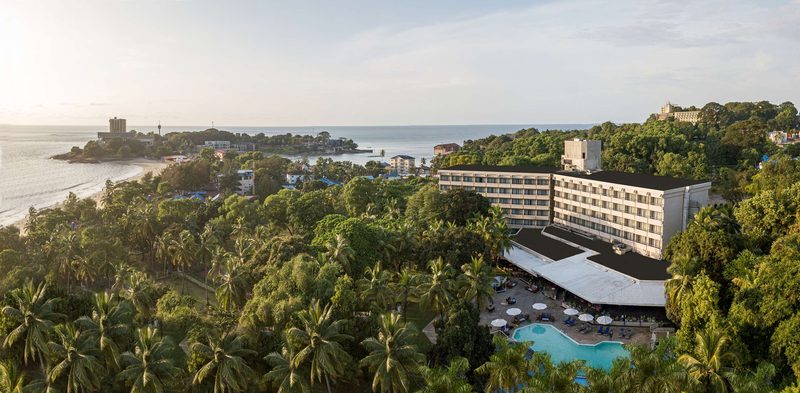
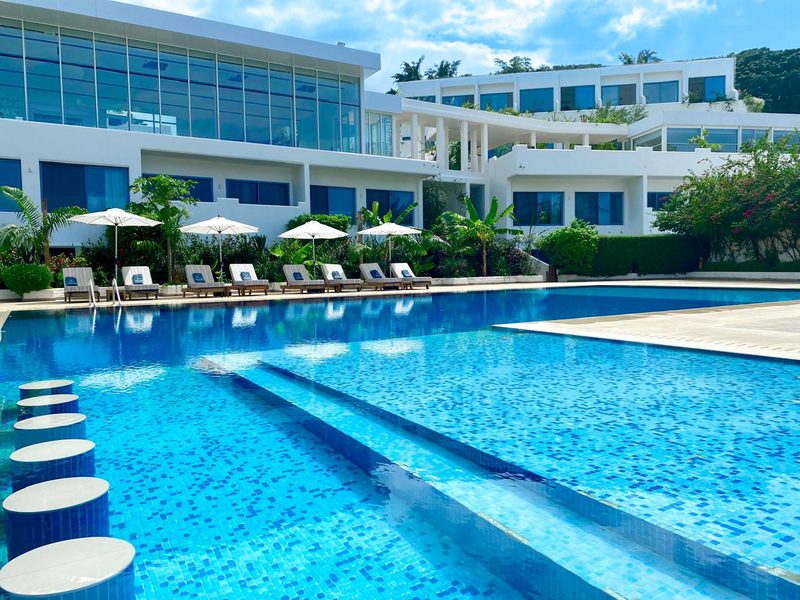
Where to Stay in Sierra Leone in November
Hand-picked hotels across price tiers for November travellers.
Packing Checklist
Bookmark this page — your progress is saved between visits
Need the full list with shopping links?
Climate-specific gear, brand recommendations, and what to leave at home.
View Sierra Leone Packing List →Essential Tips
Insider knowledge and common pitfalls to avoid
Insider Knowledge
Sierra Leonean food is the best reason to leave your guesthouse. Most travel writing ignores it. The national dish is cassava leaf plasas, a slow-cooked stew of pounded cassava leaves, palm oil, and smoked fish or meat. It tastes rich, earthy, faintly bitter. The flavor grows on you. In Freetown, cookshops around the Big Market and along Wilberforce Street serve it over rice for next to nothing. The dried fish version carries a deep, smoky intensity that the meat version lacks. Do not skip groundnut soup either, thick with peanut paste and often loaded with chicken. Try fried barracuda from the fishing boats at Lumley Beach. Eat it on the sand while it still crackles with heat. It tastes of ocean and charcoal. November nears the rice harvest. Local rice comes fresh, slightly sticky, fragrant. Imported rice cannot match it.
Safety in Sierra Leone demands common-sense urban precautions, nothing unusual. Freetown has petty crime, like any West African capital. Walking alone at night in unfamiliar neighborhoods is unwise. Hostility toward foreign visitors remains remarkably low. Sierra Leoneans are direct and welcoming. This catches you off guard after traveling elsewhere in the region. Rural areas outside Freetown are generally safe. Communities are tight-knit. The real November risks are health-related: malaria, waterborne illness, road conditions. Take antimalarials. Drink filtered water. Skip the okada motorcycle at night on wet roads. These precautions matter more than security concerns.
Most visitors need a visa. Sort this well before your flight. Some nationalities qualify for e-visa or visa on arrival. Processing times and requirements change. Confirm directly with the nearest Sierra Leonean embassy or consulate at least six weeks ahead. Yellow fever vaccination is required for entry. No exceptions. Immigration officers at Lungi Airport check this certificate before your passport. Lungi sits across the Sierra Leone River estuary from Freetown. Your transfer options: ferry for about an hour, speedboat for roughly 30 minutes, or a long road journey around the estuary. Most travelers choose the speedboat. Book through your accommodation in advance. This avoids the scrum at the Lungi waterfront.
November is the month to negotiate. Guesthouse owners along the peninsula know the dry-season rush has not started. Boat operators at Kent know this too. Freetown drivers know it. Rates flex now. They will not flex in December. This is not aggressive haggling. The published rate is a starting point. A polite conversation usually finds a fair middle. Krio, the lingua franca, opens doors that English alone cannot. Learn a few phrases. 'Aw di bodi' means 'how are you.' 'Tenki ya' means thank you. Effort signals respect. Sierra Leoneans respond generously.
Avoid These Mistakes
Do not underestimate the Lungi Airport transfer. First-time visitors see Freetown on the map and assume a short taxi ride. They assume wrong. The Sierra Leone River estuary lies between Lungi and the capital. Arrive on an evening flight without a pre-arranged speedboat, and you may strand yourself at the airport. Or you negotiate in the dark with unfamiliar operators. Arrange your crossing before you land.
Do not pack for dry season because someone said the rains are ending. They are ending. They have not ended. The gap between 5.8 inches (147 mm) of rain and zero is the gap between daily rain jacket use and leaving it packed. Travelers arrive with only sandals, no waterproofing, cotton everything. By day two, nothing is dry. Forest trails become impassable in their gear. Pack for rain.
Do not skip antimalarial medication because you skipped it elsewhere. Sierra Leone has one of West Africa's highest malaria transmission rates. November's post-rain mosquito population explodes. The risk is real. Visit a travel health clinic at least four weeks before departure. Start your prophylaxis on schedule. Use repellent and a treated bed net every night. Do this even if your guesthouse claims the screens are sufficient.
Ready to plan your trip to Sierra Leone?
Now that you've got the research covered, here's where to go next.
Explore More Activities in Sierra Leone
Didn't see anything interesting yet?
Browse Viator's full catalog of tours, day trips, food experiences, and private guides in Sierra Leone.
See All Sierra Leone Tours on Viator