
Things to Do in Sierra Leone in June
June weather, activities, events & insider tips
Low Season · Budget Friendly
June Weather in Sierra Leone
Long-run averages for June in Freetown
86°F (30°C)
High Temp
74°F (23°C)
Low Temp
20.6 inches (523 mm)
Rainfall
87%
Humidity
11
Sunny-Day UV
⚠ Freetown's hillside neighbourhoods face real landslide risk during heavy June downpours, on deforested slopes in the east end and along the road toward Regent. The catastrophic 2017 mudslide killed over a thousand people in similar conditions. Avoid accommodation on steep, exposed hillsides, and do not drive hillside roads during or immediately after heavy rain.
⚠ Flash flooding in Freetown's low-lying areas, around the east end and the Kroo Bay neighbourhood, can turn streets into waist-deep channels within minutes of a heavy downpour. Move to higher ground if rain intensifies rapidly, and do not attempt to wade or drive through floodwater of uncertain depth.
⚠ The Atlantic coast produces dangerous rip currents and shore break in June that are not always visible from the beach. Even strong swimmers should exercise extreme caution at peninsula beaches and avoid swimming alone. Local fishermen can advise on conditions at specific beaches if asked.
⚠ Mosquito-borne disease transmission, malaria, peaks during the wet months. Begin antimalarial prophylaxis before arrival, use treated bed nets nightly, and apply insect repellent containing DEET or picaridin after every rain exposure washes the previous application off.
Making the most of June in Sierra Leone? Browse tours and activities in Sierra Leone on GetYourGuide.
Is June Right for You?
Weigh the advantages and considerations before booking
Advantages
- + Sierra Leone's landscape reaches peak intensity in June, when Freetown's surrounding hills turn an almost aggressive shade of green and waterfalls along the Peninsula mountains run at full force. The Western Area Peninsula Forest Reserve, which backs right up against the city, becomes a canopy so dense the light filtering through it turns everything beneath it a mossy gold. If you care about landscape photography or just want to see the country at its most dramatic, this is the month.
- + Tourist infrastructure, such as it is, belongs almost entirely to you. The guesthouses along Lumley Beach and in the Aberdeen neighbourhood that fill during the dry season are largely empty, which means better rooms, more attentive service, and the kind of negotiating use on accommodation that simply does not exist from November through April. You will likely be the only foreigner at Tacugama Chimpanzee Sanctuary on any given morning.
- + June is when Sierra Leone's food traditions are most alive. The rains drive everyone indoors, and the cooking intensifies: cassava leaf plasas simmered for hours in red palm oil, groundnut soup thick enough that your spoon stands up in it, pepper soup with fresh-caught barracuda that clears your sinuses and warms you from the chest outward. The markets along Freetown's east end smell of smoked fish and roasting plantains year-round, but in June the wet air traps those scents at street level, and every covered stall becomes a gathering point.
- + Accommodation costs drop noticeably across the board. Guesthouses and lodges that command premium-season rates in December through March are running well below their annual average, and you will find availability even on short notice. This is the closest Sierra Leone gets to genuine budget travel without sacrificing quality.
Considerations
- − Freetown receives an average of 20.6 inches (523 mm) of rain in June, which is not a number that translates well into imagination until you experience it. The downpours tend to arrive in the afternoon and can drop several inches in under two hours, turning the city's hillside roads into temporary streams and making the unpaved routes upcountry impassable without a capable four-wheel drive. Landslide risk on deforested slopes around Freetown's eastern hills is real and well-documented.
- − The Atlantic along Sierra Leone's coast runs rough in June, with swells and currents that make boat travel to the Banana Islands and Turtle Islands unreliable and sometimes dangerous. Operators cancel crossings regularly, and if your trip is built around island time, you may lose days waiting for a weather window that never opens. The beaches themselves, while empty, are not the warm-calm swimming conditions of the dry season.
- − Malaria transmission peaks during the wet months, and June's standing water and humidity create ideal breeding conditions for Anopheles mosquitoes. This is not a theoretical risk: Sierra Leone has one of the highest malaria burdens in West Africa. Prophylaxis is not optional, and even with it, the number of mosquitoes after dark in Freetown's lower-lying neighbourhoods will test your patience and your repellent supply.
Short on time in June? See day trips around Sierra Leone on GetYourGuide.
Best Activities in June
Top things to do during your visit
Tacugama Chimpanzee Sanctuary Forest Visits
Tacugama sits in the hills above Freetown within the Western Area Peninsula Forest Reserve, and June is arguably when it rewards you most. The sanctuary's resident chimpanzees, roughly a hundred western chimpanzees rescued from the bushmeat and pet trades, are more active and vocal during the rains, feeding heavily on the fruit that the wet season pushes into abundance. The forest around the sanctuary drips and steams after morning showers, and the calls of the chimps carry through the wet canopy in a way that the dry-season dust seems to muffle. Morning visits, ideally arriving by 8 AM before the heavy afternoon rain, let you watch the feeding sessions while the mist is still clinging to the ridge. The red laterite trails get slippery, so proper footwear matters. The sanctuary also runs community conservation programmes you can visit, and the guides, many of them from the surrounding Regent and Grafton communities, know the individual chimps by name and temperament.
Booking Tip: Contact the sanctuary ahead of your visit to confirm opening status during heavy rain weeks. Mornings are essential, as the access road up from Regent village can become difficult by afternoon. Book through the sanctuary's own programme or see current guided tour options in the booking section below. Allow a full morning, roughly three to four hours including the drive from central Freetown, about 14 km (8.7 miles) uphill.
Freetown Peninsula Cultural Walking Tours
Freetown's history sits on the surface in a way few West African capitals match, and walking it in June, when the streets are quieter and the air cooler in the mornings, is the best way to absorb it. The old Krio board houses in the east end, their wraparound verandas and faded pastel paint slowly losing ground to concrete, tell the story of the freed-slave settlers who founded the city in 1792. St. George's Cathedral, one of the oldest churches in West Africa, still holds services in a stone nave that stays cool even when the humidity outside could wring water from your shirt. The National Museum on Siaka Stevens Street is small but holds genuine artifacts from the pre-colonial kingdoms, and the guides tend to have time for longer conversations when visitor numbers are this low. The morning window, roughly 7 AM to noon, gives you five hours of walking before the rain typically closes in. The sidewalks in the old city are uneven and drain poorly, so the puddles from the previous night's rain are part of the navigation.
Booking Tip: Licensed local guides operate through Freetown's tourism office and several community-based organisations. Book at least a week ahead as the best guides limit their group size to keep things conversational. See current walking tour options in the booking section below. A half-day walk covers the essential east end and waterfront comfortably.
Bureh Beach Surfing Sessions
Bureh Beach sits 80 km (50 miles) south of Freetown along the peninsula coast. It has built one of West Africa's most authentic surf communities. June's swells are why. The wet season drives consistent Atlantic groundswell onto a sandy point break that works on most tides. Water temperature holds at 27°C (81°F). You can surf without a wetsuit and still feel the chill when rain squalls blow across the lineup. The beach stretches in a long crescent of pale sand backed by palm trees. In June you might share the break with two or three other surfers at most. The local surf community offers board rentals and lessons. Several coaches here learned on this exact break and know it intimately. The catch: the road from Freetown degrades badly in the rains. What takes ninety minutes in December can take three hours in June. The village has basic guesthouses. The sound of rain on corrugated roofs becomes your constant backdrop.
Booking Tip: Arrange surf lessons through community operators based in Bureh village. Road conditions mean you should allow a full day. Better yet, stay overnight. Board rental and instruction are available on arrival. Confirming availability a few days ahead avoids disappointment. See current options in the booking section below.
Gola Rainforest National Park Guided Treks
Gola Rainforest straddles Sierra Leone's eastern border with Liberia. It ranks among the largest remaining tracts of Upper Guinean rainforest in West Africa. June is when this becomes viscerally apparent. The canopy reaches maximum density. Undergrowth thickens with ferns and epiphytes. The forest floor softens enough that boots sink slightly with each step. Birdlife peaks during early wet season. Pygmy hippos, forest elephants, and over 330 bird species live within park boundaries. The smell of rain forest is specific: decaying leaf litter, wet bark, and the faint sweetness of overhead fruit. Trails turn muddy, sometimes knee-deep. Leeches attach constantly after rain. This is not casual hiking. The park's community-managed camp at Lalehun provides basic accommodation. Local guides from surrounding villages navigate trail networks with confidence that makes your GPS feel unnecessary.
Booking Tip: Gola requires advance coordination with the park's community management team. Book two to three weeks ahead in June to confirm trail access and guide availability. The drive from Freetown takes a full day on rain-affected roads. Plan at least three nights to justify the journey. A four-wheel-drive vehicle is non-negotiable. See current guided options in the booking section below.
Bunce Island Historical River Excursions
Bunce Island sits in the Sierra Leone River about 32 km (20 miles) upstream from Freetown. The boat ride is half the experience. The river runs high and brown with sediment in June. Mangroves press close to both banks. The air smells of salt and vegetative decay. It is unmistakably tidal and tropical. The island holds ruins of a British slave-trading fort active from the 1670s through the early 1800s. Crumbling walls and cannon emplacements sit in silence that June's emptiness only deepens. The American connection is direct and documented. Enslaved people shipped from here went predominantly to rice plantations in South Carolina and Georgia. Gullah Geechee communities there trace lineage to this specific place. A knowledgeable guide transforms ruin-gazing into something that lingers for weeks. River crossings turn choppy in rain. Morning departures are best. The water tends to be calmer then.
Booking Tip: Boat charters to Bunce Island operate from Freetown's waterfront. June conditions mean you should confirm departure the morning of. Cancellations happen. Book through established river tour operators. See current options in the booking section below. The round trip takes roughly four to five hours including time on the island. Bring water and sun protection for the open-boat crossing. Pack rain gear for the return.
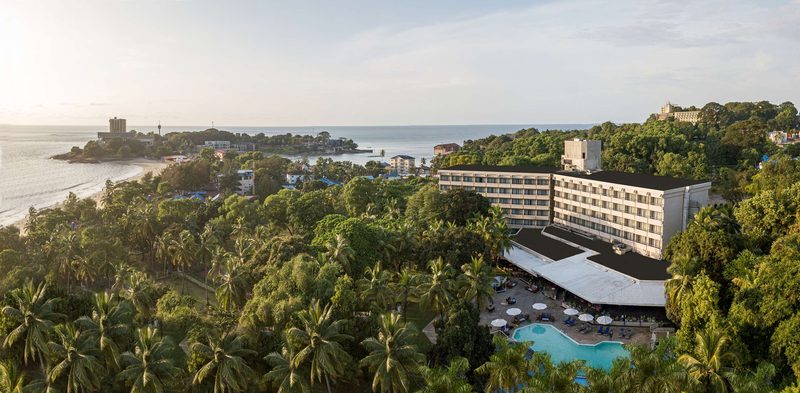
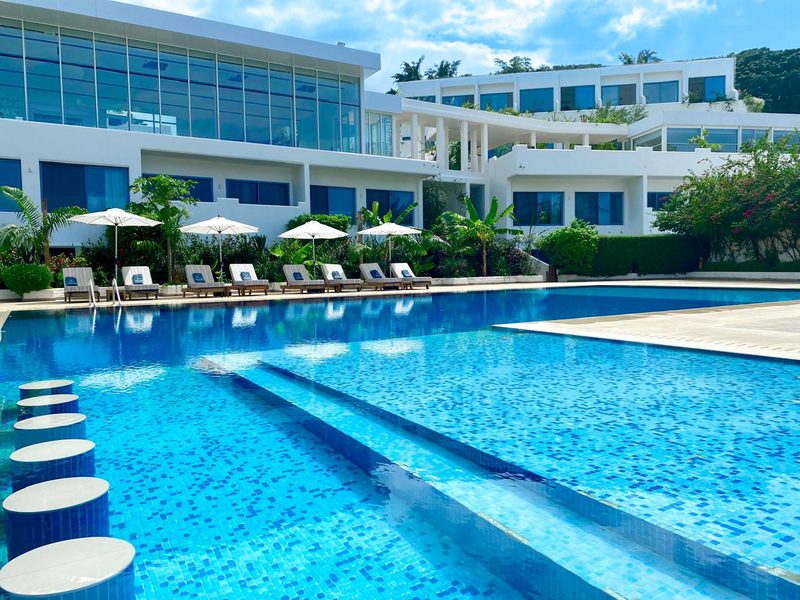
Where to Stay in Sierra Leone in June
Hand-picked hotels across price tiers for June travellers.
Packing Checklist
Bookmark this page — your progress is saved between visits
Need the full list with shopping links?
Climate-specific gear, brand recommendations, and what to leave at home.
View Sierra Leone Packing List →Essential Tips
Insider knowledge and common pitfalls to avoid
Insider Knowledge
The morning window between roughly 6:30 AM and noon is your operational day in June. Freetown's markets along the east end and the hillside neighbourhoods above come alive in those hours. The light stays soft and photogenic. The humidity has not yet reached its afternoon peak. Plan every outdoor activity for this window. Use the afternoon rains for indoor recovery, market cooking lessons in covered spaces, or simply sitting under a corrugated roof with a cold Star beer and watching water run down the gutters. Locals have structured their days around this rhythm for centuries. Fighting it wastes energy you will need.
Palm wine, called poyo, reaches its peak abundance and freshness during the wet season, when raffia and oil palms produce more sap. Tappers climb at dawn. By mid-morning, calabashes at roadside stands along the Freetown-Waterloo corridor hold a milky, slightly fizzy liquid with yeasty sweetness that turns sour by evening. Drink it fresh before noon. You get a mildly alcoholic, pleasant drink that tastes like nothing available anywhere else. By the second day it ferments into something considerably stronger and sharper. Sitting in a covered roadside poyo bar while rain hammers the roof delivers one of those Sierra Leonean moments that no formal attraction replicates.
Freetown's poda-podas, the converted minibuses that serve as the city's public transit, still run in the rain but on dramatically altered schedules and routes. Hillside roads in the east end and up toward Regent flood regularly, and drivers reroute without announcement. If you are trying to reach Tacugama or any of the peninsula villages, hire a private vehicle with a driver who knows the road conditions that specific morning. It is worth every leone. The same applies tenfold for any upcountry travel. The highway toward Bo and Kenema degrades from challenging to impassable in sections during heavy rain weeks. A journey that takes five hours in the dry season can take twelve or simply stall entirely.
Sierra Leone's mobile phone network, predominantly Orange and Africell, works in Freetown and the major towns but becomes unreliable to nonexistent in the forested and rural areas you are most likely to visit in June. Download offline maps before leaving Freetown. Carry physical cash in smaller denominations of the new leone. Tell your guesthouse where you are going each day. This is not paranoia. It is the practical reality of traveling in a country where infrastructure, while improving steadily, has not yet reached the places where the most rewarding experiences are.
Avoid These Mistakes
Do not assume the rain resembles European rain. Freetown's June downpours are equatorial: warm, heavy, and capable of dropping several inches in under two hours. Streets flood fast. Drains overflow. The red laterite mud stains everything it touches permanently. Travelers who pack a compact umbrella and a light shell jacket as their entire rain strategy discover this distinction within the first afternoon.
Avoid planning a multi-destination overland itinerary on a tight schedule. Roads between Freetown and the interior, toward Gola Rainforest, Tiwai Island, or the northern reserves, rely on laterite surfaces that become unreliable in heavy rain. A bridge washout or a lorry stuck sideways across a flooded section can add a full day to a journey. Build at least one buffer day into every upcountry segment. Hold your return to Freetown loosely. The travelers who have the best June experiences surrendered their itinerary to the weather on day two.
Never neglect malaria prophylaxis or treat it as optional. Sierra Leone has year-round malaria transmission, but June's combination of standing water, humidity, and temperature creates peak mosquito breeding conditions. Start your antimalarial course before arrival. Sleep under a treated net every single night, even if the guesthouse seems well-screened. Wear long sleeves after dusk. These are not excessive precautions. They are the baseline. The nearest reliable medical facility for a severe malaria case may be in Freetown, and getting there from upcountry in the rain is not fast.
Ready to plan your trip to Sierra Leone?
Now that you've got the research covered, here's where to go next.
Explore More Activities in Sierra Leone
Didn't see anything interesting yet?
Browse Viator's full catalog of tours, day trips, food experiences, and private guides in Sierra Leone.
See All Sierra Leone Tours on Viator