
Things to Do in Sierra Leone in May
May weather, activities, events & insider tips
Low Season · Budget Friendly
May Weather in Sierra Leone
Long-run averages for May in Freetown
87°F (30°C)
High Temp
75°F (24°C)
Low Temp
8.4 inches (213 mm)
Rainfall
85%
Humidity
11
Sunny-Day UV
⚠ The onset of rainy season in May brings the risk of flash flooding in Freetown's low-lying areas and along the hillside roads. The city's drainage infrastructure is limited. Heavy downpours can turn streets into temporary streams within minutes. Water rushes downhill fast enough to be dangerous at intersections and in valley-bottom neighborhoods. Avoid low-lying areas during and immediately after intense rainfall. Never walk or drive through moving floodwater on the city's steep roads. Wait it out.
⚠ Mosquito-borne disease risk, malaria and dengue, increases significantly as standing water accumulates with the rains. Sierra Leone carries one of the highest malaria burdens globally. May marks the beginning of the peak transmission season that runs through October. Prophylaxis, repellent, treated bed nets, and long sleeves after dusk are all essential. These are not precautionary measures for the anxious. Take them seriously.
⚠ Sea conditions along the Freetown Peninsula coast and the river routes become less predictable in May. Boat crossings to the Banana Islands, Bunce Island, and the Lungi Airport ferry or water taxi can be delayed or cancelled due to swells, squalls, or poor visibility. Always confirm conditions with boat operators on the day of travel. Carry a flexible schedule. Have a contingency plan for delays that could affect onward connections. Build in buffer time.
Making the most of May in Sierra Leone? Browse tours and activities in Sierra Leone on GetYourGuide.
Is May Right for You?
Weigh the advantages and considerations before booking
Advantages
- + May transforms Sierra Leone. The first serious rains arrive, and the landscape shifts fast. Parched, Harmattan-dusted hillsides around Freetown turn electric green within weeks. The Western Area Peninsula Forest thickens into a canopy so dense it muffles sound. Waterfalls along the peninsula road that were bare trickles in March now run with enough force to hear from inside a car. Rivers swell. The air smells of wet laterite and growing things. If you want West Africa at its most lush, May delivers a version of Sierra Leone the dry-season visitor never encounters.
- + Tourist numbers plummet when the rains begin. Beaches that draw weekend crowds from Freetown in the dry months sit nearly empty on weekday mornings. Tokeh Beach, River No. 2 Beach, Bureh Beach: in May these feel privately yours. Guesthouses along the peninsula coast have open rooms without advance booking. Guides at Tacugama Chimpanzee Sanctuary have time for unhurried conversation. The pace slows. This suits the country's temperament better than the holiday rush.
- + Accommodation rates drop noticeably in May as Sierra Leone enters its low season. Properties that command premium rates along the Freetown Peninsula and in the city center become markedly more affordable. Your negotiating use as one of very few tourists works at every level from guesthouse to restaurant. For budget-conscious travelers, May likely represents the best value window before June's heavier rains make some routes outright difficult.
- + May is prime fishing season along Sierra Leone's coast. The catch coming off the boats at Lumley Beach and around the Aberdeen Creek area in Freetown is at its freshest and most varied. Barracuda, snapper, and grouper grilled over charcoal at informal beachside cook spots carry that clean, salt-bright flavor that only same-morning fish can manage. The skin crisps and smokes. The flesh stays firm enough to pull apart in clean flakes. If Sierra Leone's seafood tradition is one of your reasons for visiting, and it should be, May is arguably the strongest month to come for it.
Considerations
- − Freetown's humidity in May sits at around 85%. You feel every percentage point. The air is thick enough that your clothes cling by mid-morning. Nothing dries overnight on a line. The combination of 30°C (87°F) heat with that moisture level can be physically exhausting if you are not accustomed to tropical wet climates. Air conditioning is unreliable outside the better hotels. Power cuts compound the discomfort. Acclimatization takes most people two to three days. During this period, outdoor activity needs to be paced carefully and hydration treated as a job, not a suggestion.
- − Unpaved roads, which account for most routes outside the Freetown Peninsula, begin to deteriorate in May. The laterite surfaces that were firm and dusty in the dry season turn to slick, rust-colored mud after heavy downpours. Vehicles without four-wheel drive can get stuck on routes toward Tiwai Island, Bo, or the interior towns. Plan upcountry travel with a realistic buffer for delays. Confirm road conditions locally before setting out. Accept that some destinations that were a four-hour drive in February may take seven or simply not be reachable after a bad stretch of rain.
- − Mosquito populations increase with the onset of the rains. Sierra Leone is a high-transmission malaria zone year-round that intensifies sharply in the wet months. This is not a theoretical risk. Anti-malarial medication is essential, not optional. Evenings require long sleeves, DEET-based repellent, and treated bed nets even in guesthouses that appear well-maintained. Travelers who take a casual approach to prophylaxis in other tropical destinations cannot afford the same attitude here.
Short on time in May? See day trips around Sierra Leone on GetYourGuide.
Best Activities in May
Top things to do during your visit
Chimpanzee Sanctuary Visits in the Peninsula Forest
Tacugama Chimpanzee Sanctuary sits about 45 minutes by road from central Freetown, climbing into the Western Area Peninsula National Park on a route that in May is flanked by walls of dripping green undergrowth so thick the light turns emerald before it reaches the ground. The sanctuary rescues orphaned and trafficked chimpanzees and gives guided tours through forested enclosures where the air is heavy with the smell of wet earth and decomposing leaf litter. In May, the chimps tend to be vocal after the rain. You hear them before you see them: a rising series of hoots and screams that carries through the canopy and makes you stop mid-step. The cooler, post-rain mornings seem to energize them into chasing, grooming, and the kind of social display that makes you viscerally aware you are watching close relatives. With far fewer visitors in May than the dry-season peak, the guides have time for the slower, story-rich kind of tour where you learn which chimp was rescued from which circumstance and how the hierarchy shifted last month. Aim to arrive by 9 AM, before the afternoon rains close in, and allow a full morning. The forest trail is muddy and uneven, ankle-turning terrain that rewards proper footwear.
Booking Tip: Book at least a week ahead through the sanctuary or licensed Freetown tour operators, as morning slots fill even in low season. Wear closed-toe shoes with aggressive grip for the muddy forest trail, and bring a packable rain layer. Allow a full morning, roughly four hours including the drive. See current tour options in the booking section below.
Freetown Peninsula Beach Mornings
The string of beaches along the Freetown Peninsula's western coast remains one of West Africa's finest and least-visited stretches of sand. May mornings, before the afternoon rains roll in, are when they look their best. River No. 2 Beach is the one that ends up on magazine covers: a wide arc of pale sand framed by forested headlands, reached by a short pirogue ride across the river mouth where the water runs clear enough to count fish from the boat, the wooden hull scraping gently on the sandy bottom as you step out. Tokeh Beach runs long and open under coconut palms, with a few low-key beach bars where the charcoal smoke from grilling the morning's catch drifts across the sand and mixes with the salt air. Bureh Beach, farther south, draws the small but loyal West Africa surf community with a consistent break that in May still works on most mornings before the wind shifts. The Atlantic is warm enough to swim comfortably. The sand stays cool underfoot in the early hours. The overcast light that precedes the afternoon buildup filters everything into something soft and painterly. The honest trade-off: by early afternoon the sky typically closes in and the rain can arrive hard enough to send everyone under a roof. Treat the beach as a morning activity. Plan indoor alternatives for the second half of the day. You will find a rhythm that works.
Booking Tip: No advance booking needed for beach access itself. Arrange a driver for the day through your guesthouse, as the peninsula road gets slippery after rain and local knowledge of current conditions matters. Bring reef-safe sunscreen, SPF 50 minimum, even under cloud cover. Check the booking section below for organized peninsula day trips that bundle transport and lunch.
Historical Freetown Walking Tours
Freetown's old quarter climbs the steep hillside above the harbor in a tangle of streets that carry three centuries of layered history. May's overcast mornings keep the temperature just bearable enough for walking that would be punishing under dry-season sun. Start at the Cotton Tree, the colossal kapok that has anchored the center of the city since freed slaves from Nova Scotia arrived in the 1790s, its trunk wide enough that three people linking arms cannot encircle it. Nearby, the Sierra Leone National Museum houses Nomoli soapstone figures and photographs from the colony era that reward a slow, careful visit. Up the hill, the old Krio board houses in neighborhoods like Fourah Bay still wear their carved gingerbread trim and corrugated-iron roofs, though many are crumbling into beautiful ruin, paint peeling in long strips to reveal older paint beneath. The smell of palm oil and frying plantain drifts from cookshops at every turning. Down near the waterfront, the King Jimmy area hums with the organized chaos of the fish market: women sorting the morning catch into baskets on wet concrete, the mineral smell of fresh fish mixing with diesel fumes from the boats, gulls wheeling and calling overhead. This is Freetown at its most unguarded. May's thin tourist presence means the attention you draw is curiosity and warmth, not commerce. A knowledgeable local guide transforms the walk from sightseeing into a history you feel in your feet and your calves on those steep, uneven streets.
Booking Tip: Arrange a guide through licensed Freetown cultural tour operators at least a few days ahead, as the best guides are booked even in low season. Start by 8 AM to cover ground before rain and heat peak. Wear shoes with serious grip for steep, sometimes slippery laterite streets. Allow three to four hours. See current walking tour options in the booking section below.
Banana Islands Boat Excursions
The Banana Islands sit roughly three hours by boat off the southern tip of the Freetown Peninsula, and reaching them feels like leaving the current century at the dock. Dublin and Ricketts, the two main islands, are small enough to walk around in an afternoon, fringed by sandy coves where the water shifts from green to turquoise over rocky reef. Snorkeling is surprisingly decent for West Africa: on calm days visibility lets you pick out parrotfish and sea fans at several meters depth, the water warm on your skin and just clear enough to make the coral interesting rather than frustrating. On Dublin Island, the crumbling stone walls of a former slave-trading settlement sit half-swallowed by vegetation, roots cracking through mortar laid centuries ago, and the quiet there carries a weight that makes you lower your voice without being asked. The villages are small and unhurried, the pace set by tides and fishing boats, the sound at night just wind through palm fronds and surf on the reef. May is a borderline month for the crossing: the seas are choppier than in the dry season, and boat trips can be cancelled or postponed on rough days. When the water cooperates, though, you get the islands nearly to yourself. The humidity matches the mainland. The sea breeze takes the edge off in a way that feels like relief you did not know you needed.
Booking Tip: Book through Freetown-based operators who run their own boats and check sea conditions before departure. Plan for a minimum of one overnight on the islands, as the crossing time makes day trips exhausting and logistically fragile. Confirm cancellation policies given May's variable seas, and be flexible about dates. Current excursion options appear in the booking section below.
Bunce Island Slave Fortress Excursions
Bunce Island sits in the Sierra Leone River about 30 km (19 miles) upstream from Freetown. Visiting it is one of the most sobering historical experiences available anywhere in West Africa. The British-built slave fortress, active from the 1670s through the early 1800s, supplied enslaved people directly to the rice plantations of South Carolina and Georgia. This connection to the Gullah Geechee communities of the American South is direct, documented, and unbroken. What remains is ruin overtaken by the forest. Crumbling walls with roots forcing through the stone. Cannon still aimed at the river. The low platforms where human beings were held before being loaded onto ships. The humid May air sits on the island like something physical. The silence when your guide pauses is the kind that makes you aware of your own breathing. The boat ride upriver passes mangrove-lined banks where herons stand motionless in the shallows. The approach to the island, those broken walls emerging from the treeline, is haunting in a way that stays with you long after you leave. This is not a comfortable outing. It is an essential one. May's low visitor numbers mean you may have the island entirely to yourself. This allows the kind of quiet, reflective engagement the place demands and peak-season group visits cannot provide.
Booking Tip: Arrange boat transport through licensed Freetown operators at least several days ahead. There is no scheduled ferry service and boats run on demand. The round trip takes most of a day, roughly six to eight hours including time on the island. Bring water, sun protection, and mosquito repellent. A guide who can narrate the specific history is not optional. It is what makes the difference between seeing old walls and understanding what happened inside them. See available excursions in the booking section below.
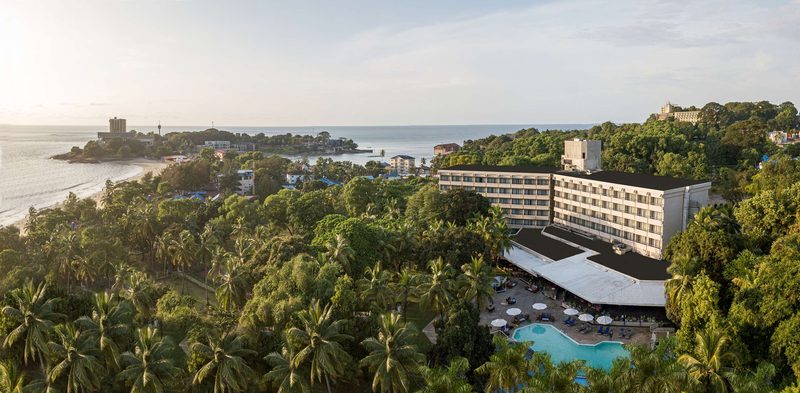
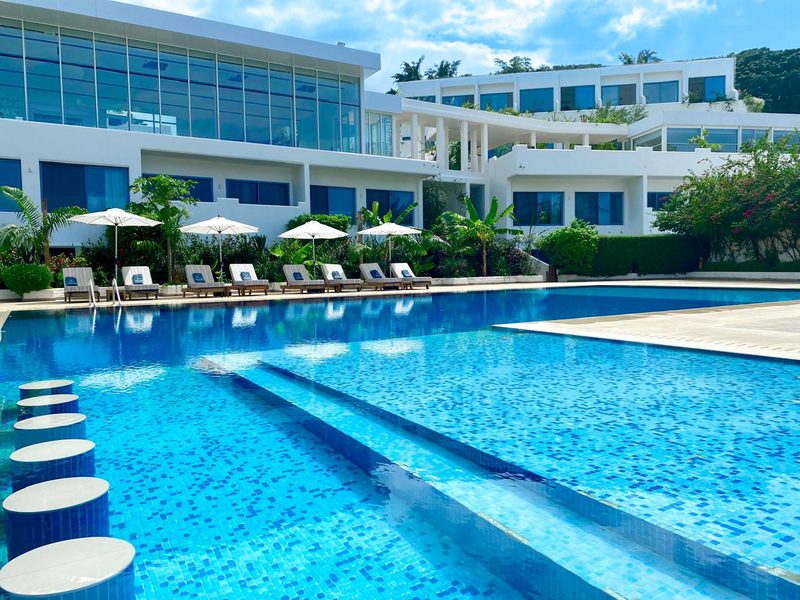
Where to Stay in Sierra Leone in May
Hand-picked hotels across price tiers for May travellers.
Public Holidays in May
Dates that affect opening hours, transport and crowds
Labour Day
Observed nationwide as a public holiday.
Labour Day
Observed nationwide as a public holiday.
Packing Checklist
Bookmark this page — your progress is saved between visits
Need the full list with shopping links?
Climate-specific gear, brand recommendations, and what to leave at home.
View Sierra Leone Packing List →Essential Tips
Insider knowledge and common pitfalls to avoid
Insider Knowledge
Mornings are your operational window in May. The pattern tends to be remarkably consistent in Freetown: clear or partly cloudy skies from dawn until early afternoon, then the clouds stack up over the peninsula hills and the rain arrives, sometimes as a theatrical curtain of water that turns the city's steep streets into temporary rivers within minutes. Plan every outdoor excursion for before noon and keep afternoons for indoor time, long meals, or the kind of slow conversation over a cold Star beer at a covered bar that the rainy season seems specifically designed to encourage.
Learning even a few phrases of Krio, Sierra Leone's lingua franca, changes how people receive you. 'Ow di bodi' (how's the body, meaning how are you) and 'a tell God tenki' (I thank God, the standard reply) are the conversational currency that signals you are not just passing through. Krio is an English-based creole, and you will pick up more than you expect just by listening carefully. Freetown runs on warmth and personal connection, and a visitor who greets in Krio gets invited into conversations, kitchens, and local knowledge that the English-only traveler walks past without realizing what they missed.
The best seafood in Freetown does not come from restaurants with printed menus. It comes from the women grilling the morning catch at informal cook spots along Lumley Beach and in the Aberdeen area, where a plate of charcoal-grilled barracuda or snapper arrives with jollof rice and a sharp pepper sauce built from Scotch bonnets, tomatoes, and onions. The charcoal smoke, the sizzle of oil as the fish skin crisps and turns glassy, the heat of the pepper hitting your tongue, the squeeze of lime cutting through the richness: this is the meal you remember years later. Point at what looks good, sit on a bench, eat with your hands if the people next to you are. May's fishing season means the variety and freshness are at their peak.
If you are heading upcountry, toward Tiwai Island Wildlife Sanctuary or Bo, talk to other travelers and your guesthouse host about current road conditions before committing. The main highways hold up reasonably well in early rainy season. But secondary roads that were firm a week ago can become impassable after two days of heavy downpours. Four-wheel drive is not a luxury in May. It is a baseline requirement for anything off the tarmac. Building a full buffer day into any itinerary that involves unpaved roads is not overcautious. It is realistic planning that saves you from the sinking feeling of watching your driver dig mud from around a stuck rear axle with a machete 40 km (25 miles) from the nearest town.
Avoid These Mistakes
Treating malaria prophylaxis as optional or something to figure out on arrival. Sierra Leone has some of the highest malaria transmission rates in the world, and the wet season beginning in May intensifies exposure dramatically. Every year, travelers who skipped their medication or stopped taking it early end up in Freetown's limited medical facilities dealing with a disease that is preventable but potentially fatal. Consult a travel medicine specialist before departure, start your medication on the prescribed schedule, and take it for the full duration after you leave. This is not a place to gamble on the assumption that you rarely get bitten.
Planning a packed itinerary that assumes dry-season road conditions and travel times. A journey that takes four hours in February can take seven or more in May after heavy rain, and some routes simply close without warning. Travelers who book tight connections between upcountry destinations and return flights from Lungi International Airport find the hard way that the combination of muddy roads, potential delays, and the ferry or water taxi crossing from Freetown to the airport does not respect departure schedules. Build slack into everything, and treat your travel-day buffer before a flight as sacred time you do not fill with one last excursion.
Expecting infrastructure that matches the quality of the natural scenery. Sierra Leone's beaches, forests, and coastline are extraordinary by any standard. But the roads, power grid, water systems, and medical facilities operate at a level that can shock travelers accustomed to the tourism infrastructure of Southeast Asia or Latin America. This is not a complaint. It is a planning reality. Carry your own water purification, your own first aid supplies, your own backup light sources, and your own tolerance for things not running on schedule. The reward is a West African country of real, unpackaged warmth and beauty that has not been smoothed into a product for visitors. But only if you arrive prepared for conditions as they are rather than as you might wish them to be.
Ready to plan your trip to Sierra Leone?
Now that you've got the research covered, here's where to go next.
Explore More Activities in Sierra Leone
Didn't see anything interesting yet?
Browse Viator's full catalog of tours, day trips, food experiences, and private guides in Sierra Leone.
See All Sierra Leone Tours on Viator